Moving to the Cloud: Egnyte’s Staged Approach for Architecture Firms
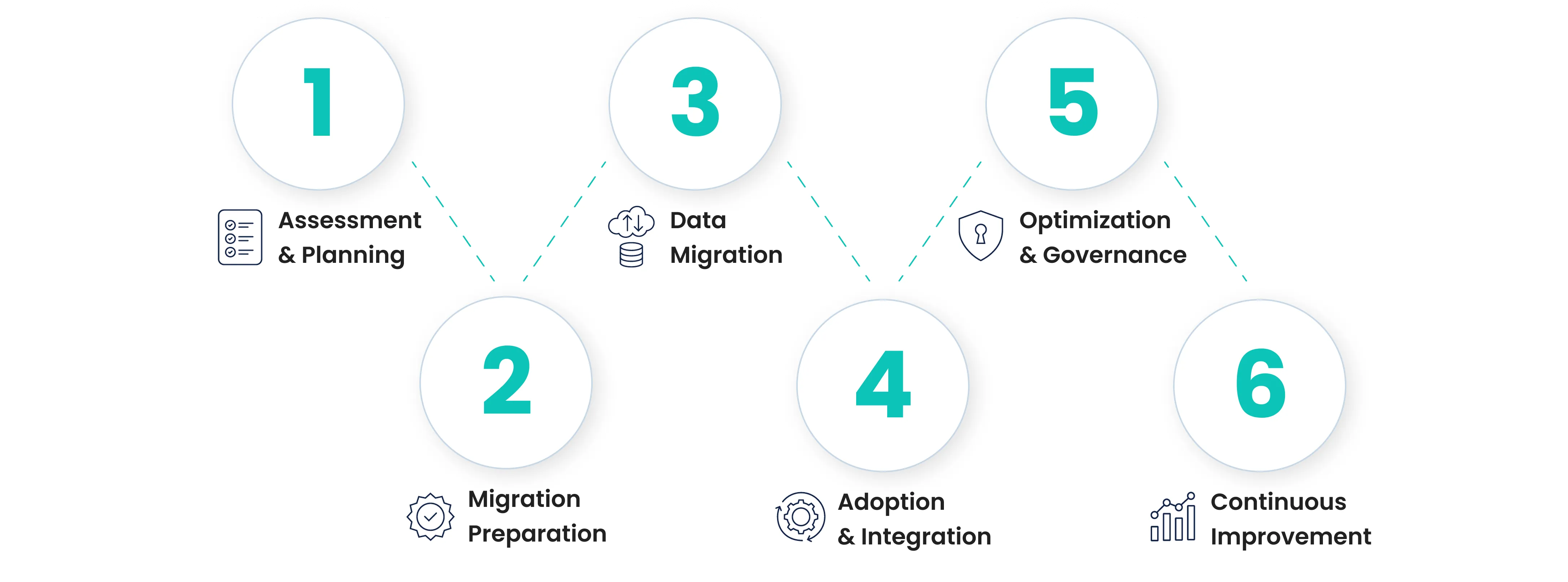
Stage 1: Assessment & Planning
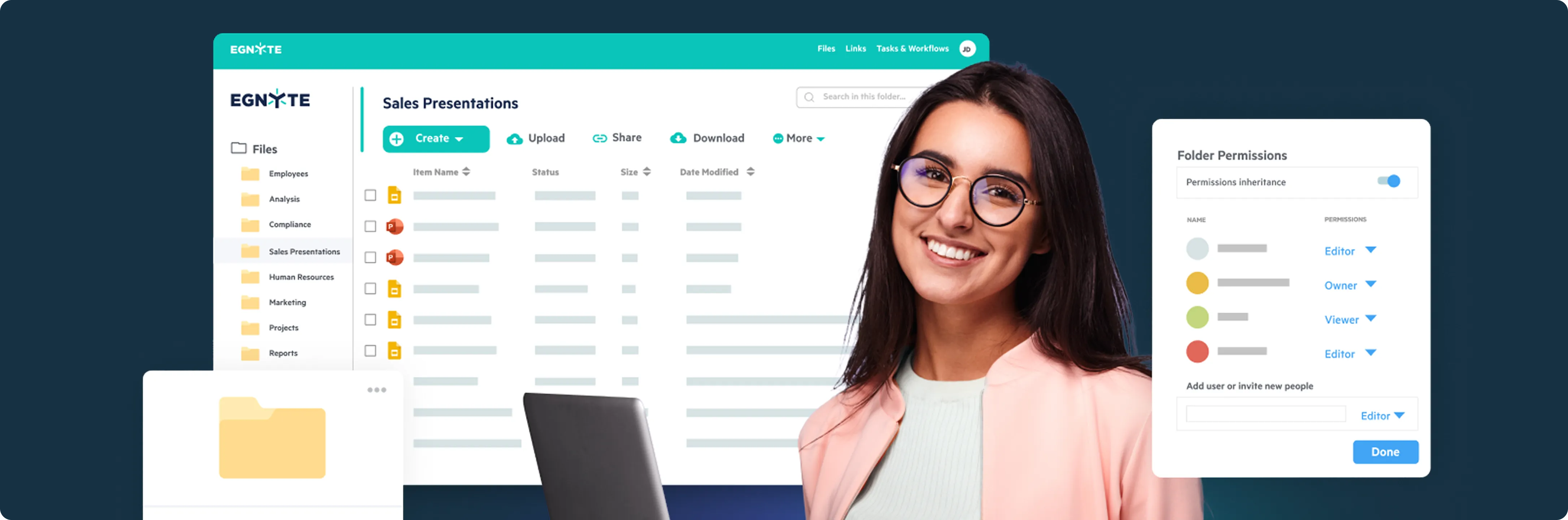
Every successful cloud migration starts with a solid plan. This phase is all about stepping back to look at your current IT landscape, understanding what's holding you back, and figuring out what you'd like to achieve.- Many architecture practices run into the same pain points.low file access from outdated systems
- Painful collaboration between teams, and
- Costly maintenance of on-premises servers.
"A successful cloud migration begins with setting clear operational goals."
Stage 2: Migration Preparation
After determining your goals, it is now time to bring that vision to life through a customized migration plan. For architecture firms, this section is all about getting your data and people ready for that move."Successful migration isn’t just technical—it’s cultural. Equip your teams with the training, communication, and support to embrace new tools and workflows."
Stage 3: Data Migration
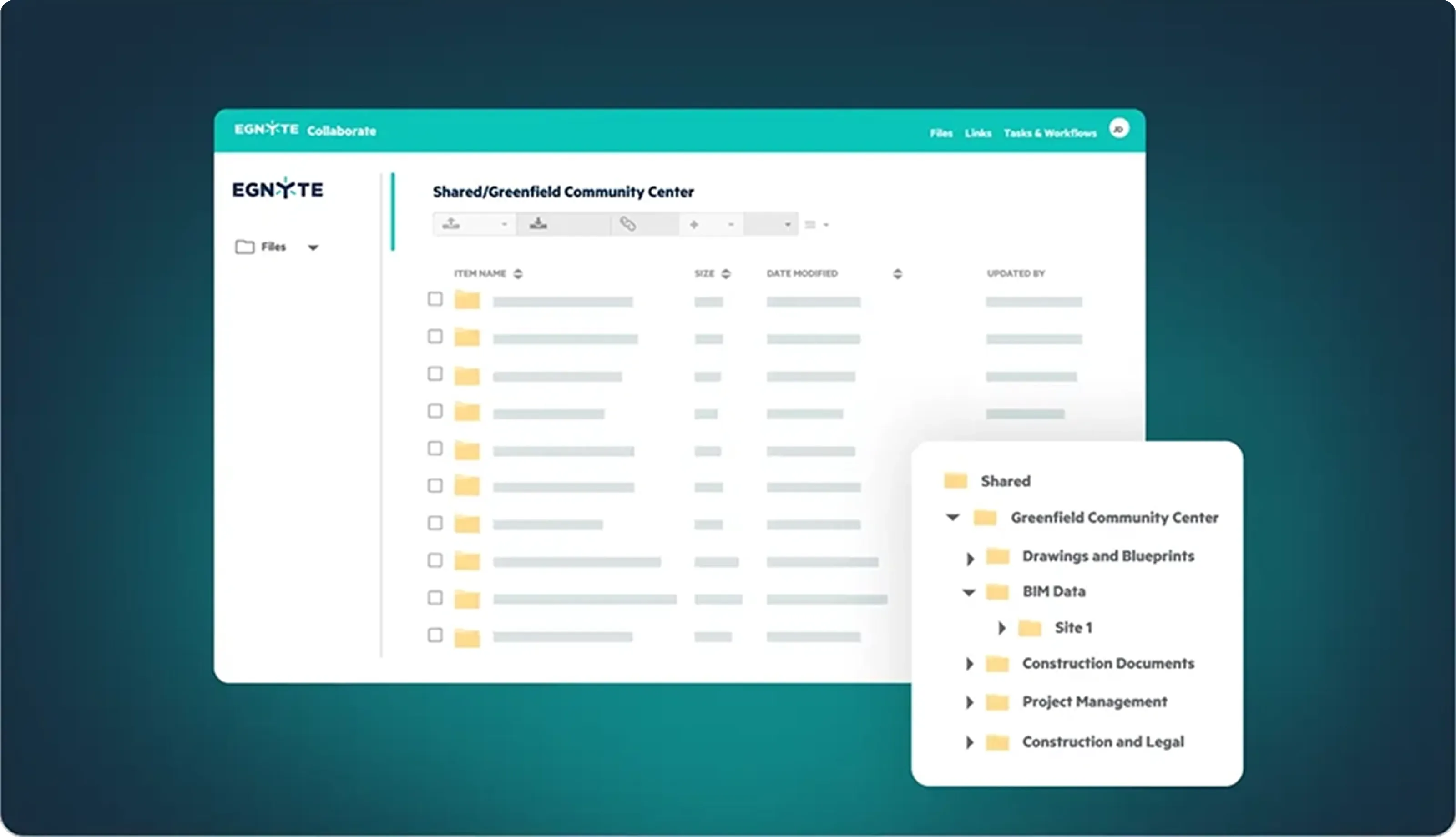
You now have a plan, so it is time to move your company's data into the cloud. This step is intimidating when faced with large files, private data, and live co-workers. Migration is something that you have to approach like a construction project—every step is planned out and checked twice."In today’s fast-evolving digital environment, an effective data migration strategy is more than a technology shift—it’s a strategic investment in your firm's agility and competitiveness."
Stage 4: Cloud Adoption & Integration
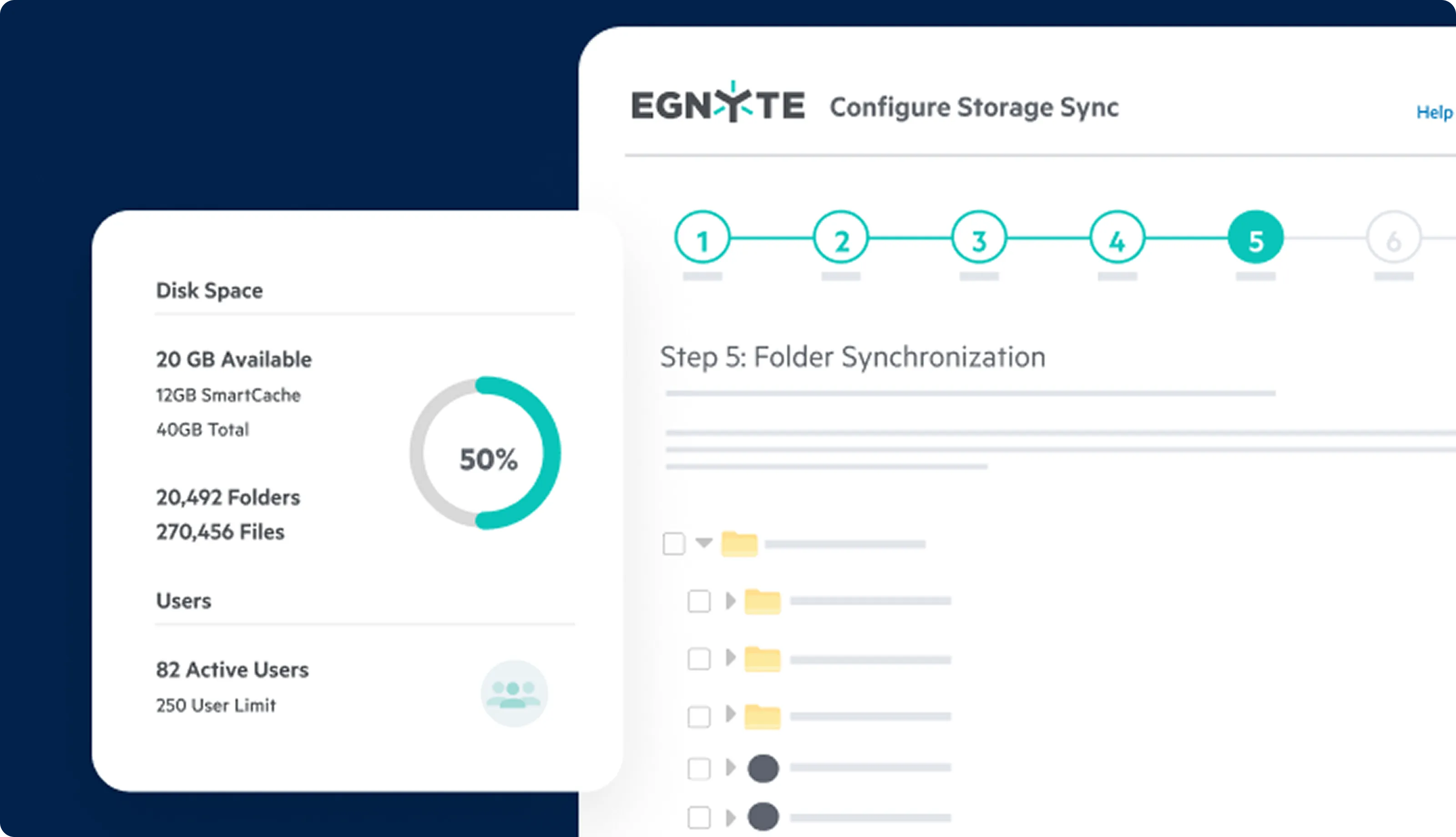
Migration may feel like the heaviest lift, but once your data is in the cloud, real work starts to happen—integrating cloud technology into your firm's daily flow of work. This phase is about something more than storing it; it's about giving your teams secure, efficient, and integrated workflows that work organically into how your architects, engineers, and project managers already work together."A well-executed migration and adoption strategy gives your team immediate access to secure, organized project data—from the office, field, or home."

Stage 5: Optimization & Governance
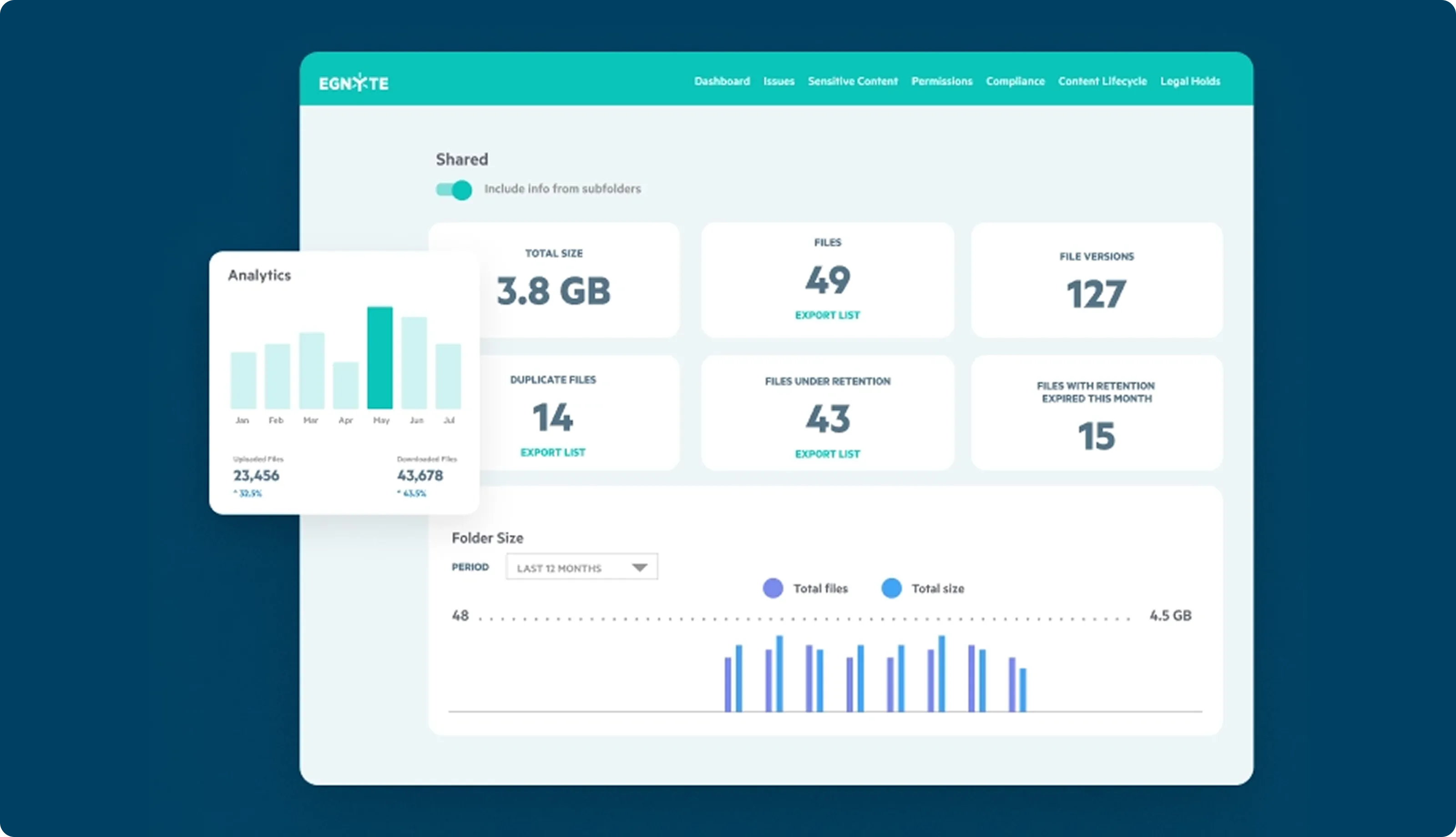
Now that your firm's information is in the cloud, it's time to shift from migration and automation to management. This phase is all about ensuring that your cloud environment is running efficiently, reliably, and completely in accordance with industry regulations—making your investment a long-term benefit. All too many firms do adoption and neglect to refine their systems, creating higher cost structures, less efficient processes, and even compliance issues."Effective optimization and governance transform your cloud from a passive storage system into a powerful business asset."
Stage 6: Continuous Improvement
The final stage is about momentum. Your business is comfortable in the cloud, now the challenge becomes staying ahead—scale with projects, workflows, and technology."Continuous improvement ensures your cloud investment keeps pace with firm growth and industry change."
Conclusion
The cloud journey is not just about moving files to a different location. It's about transforming AEC businesses to design, to collaborate, and to deliver projects differently. By adopting these six steps, ranging from Assessment to continuous improvement, architecture businesses can make the cloud more than just a repository. It becomes an accelerator of better collaboration, better protection, and sustainable innovation.Recent Articles
Learn about the latest architecture software, engineering automation tools, & construction technologies
Why BIM Validation Is No Longer Optional in AEC Project Delivery
An unvalidated BIM model isn't just a quality risk anymore—it's a budget risk, a legal liability, and a schedule threat. This article examines how Solibri's rule-based model checking is becoming essential across data center construction, transportation infrastructure, and design-build delivery, where the cost of getting the model wrong keeps rising.
Automating MEP Clash Resolution in AEC: Meet Vavetek AI and BAMROC
Vavetek AI's BAMROC tackles one of AEC's most persistent bottlenecks: not finding clashes but resolving them. While tools like Revizto and Solibri handle detection well, the fix still falls on BIM coordinators working manually through conflicts one by one. BAMROC plugs into existing Revit and Navisworks workflows and uses rule-based AI to automatically resolve MEP and structural clashes at scale—cutting work that might take a full day down to under an hour.
Fixing the Real Bottleneck in BIM with Solibri CheckPoint
Solibri CheckPoint is about fixing what slows BIM teams down after clashes are found. Instead of the heavy desktop setup, it runs model checks in a web browser while cloud computers handle the 3D work. More people can review models, assign issues, and track changes. This helps teams move from “problem found” to “problem fixed” faster, with less waiting and rework. In this article, we explain everything you need to know about Solibri CheckPoint.
Blueprints AI: Generating Construction Documentation with Artificial Intelligence
In this interview, we sat down with Al Dram, CEO and co-founder of Blueprints AI, to explore how artificial intelligence is transforming construction documentation for architects. Al shares how design teams can turn prompts, sketches, and existing files into permit-ready drawing sets—and rapidly respond to city review comments using AI-driven revisions. The conversation highlights what this shift means for architecture and AEC firms struggling with time-consuming drafting workflows and growing documentation demands.